
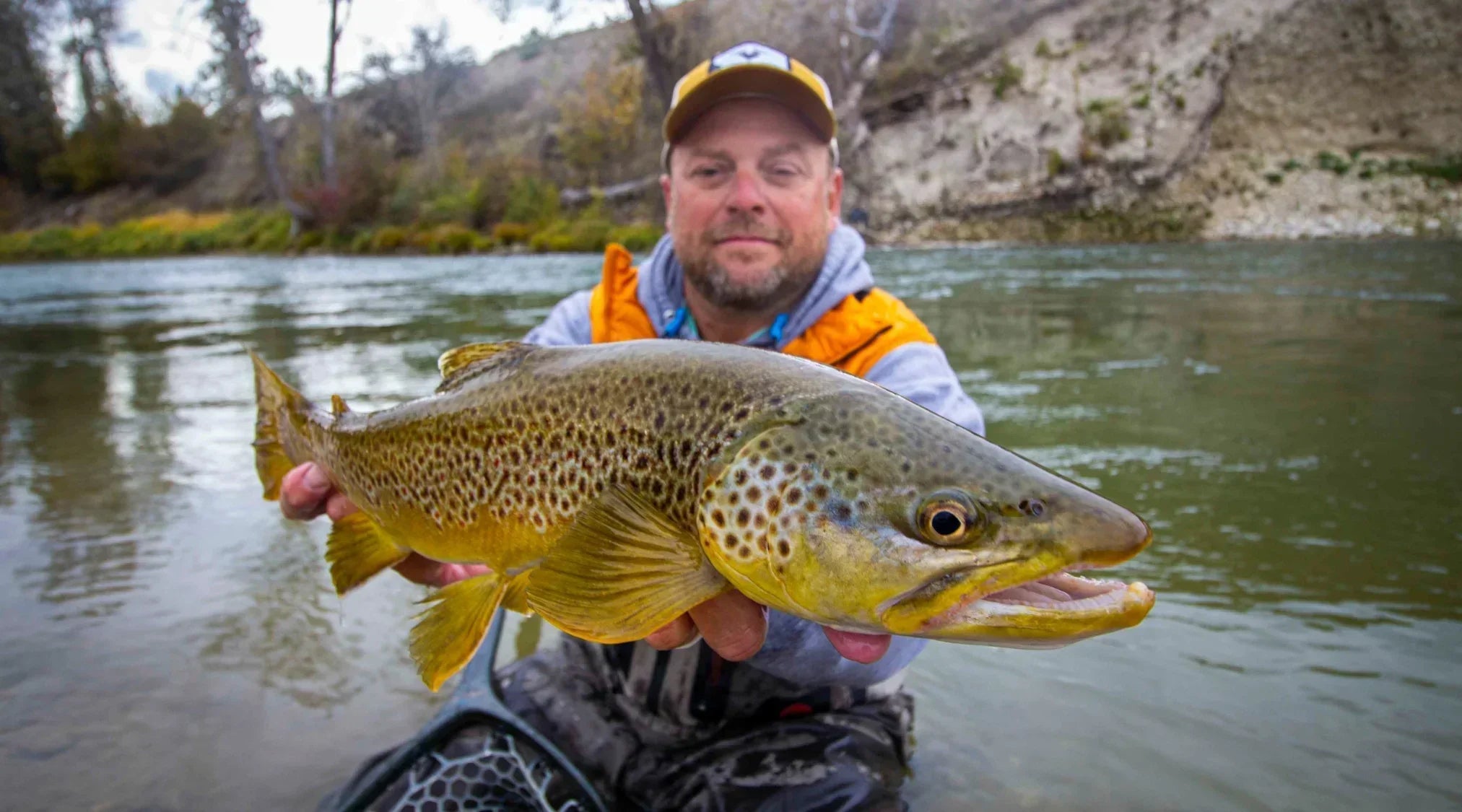
7 Reasons Why You Should Go Fall Fly Fishing in Montana
When September rolls around, a distinct shift happens across Western Montana. The dog days of late July and August fade away, river water temperatures drop, and a cool mountain breeze breathes fresh life back into our trout streams. For seasoned anglers, autumn isn't just another season—it's the undisputed prime time of the year to be on the water.
From September through November, Missoula becomes the ultimate basecamp for world-class angling. Whether you are rowing through brilliant yellow cottonwood river bottoms, casting to technical dry-fly risers, or chucking heavy streamers for aggressive pre-spawn browns, fall fishing delivers a level of action and atmosphere that summer simply can't match.
Here are seven reasons why you need to experience fall fly fishing in Missoula and across Big Sky Country.

1. The Resurgence of Epic Fall Hatches
Summer stonefly hatches get plenty of hype, but fall dry-fly fishing is built for dry or die purists. As water temperatures cool down, aquatic insect activity explodes across our local rivers.
You’ll still find plenty of opportunistic trout looking for late-season grasshoppers along grassy banks through September, but the star attractions are the autumn hatches. Tiny Blue-Winged Olives (BWOs) carpet the water on overcast days, while Mahogany Duns pop in the afternoons on the Clark Fork and Bitterroot. You’ll also encounter late-season Trico spinner falls in the mornings, alongside the legendary October Caddis—a massive, size 8 to 10 orange caddis that triggers explosive topwater strikes. To get your fly box dialed for every stage of the season, check out our guide to the Montana fly fishing hatch chart.

2. Aggressive Pre-Spawn Browns and Hungry Rainbows
As the daylight hours shorten, trout behavior shifts dramatically. Brown trout enter their pre-spawn phase, becoming intensely territorial and hyper-aggressive toward anything invading their space. On dark, cloudy fall days, this creates world-class streamer fishing. Stripping big articulated meat flies through deep buckets or along timber structure can pull massive, hook-jawed brown trout out of hiding.
At the same time, rainbow and cutthroat trout recognize that winter is approaching. Knowing that insect hatches will drop off dramatically once the snow flies, these fish feed with urgency to pack on calories. They are far less timid than they were during the high-sun days of mid-summer, making them eager to gulp down nymphs, streamers, and bulky dry flies.

3. Summer Crowds Disappear and Solitude Returns
If you’ve ever rowed a river in July, you know that summer water can get busy with recreational floaters and tourist traffic. By September, that entire scene vanishes. Kids are back in school, summer vacations wrap up, and local recreational traffic grinds to a halt.
Furthermore, many local outdoor enthusiasts trade their fly rods for hunting when bow and rifle seasons open up in the autumn woods. That leaves Western Montana's river corridors surprisingly quiet. You can put in on Missoula's fly fishing rivers and float for miles without seeing another drift boat, enjoying peaceful solitude on prime runs that were crowded just weeks prior.

4. Daily Versatility Across Local Waters
Fall fly fishing keeps you on your toes because no two days on the water are identical. The changing weather requires daily versatility, creating an exciting playground for well-rounded anglers.
You might start a crisp October morning fishing heavy stonefly nymphs or perdigons in deep riffles, transition to throwing large October Caddis or Mahogany Dun dries during a warm afternoon hatch, and finish the day stripping flashy streamers through undercut banks as the clouds roll in. If you want to refine your technical presentations or explore new reaches with a local expert, booking Missoula guided fly fishing trips is the fastest way to master these seasonal transitions.

5. Unrivaled Autumn Scenery and Stable Weather
Montana’s autumn landscape is arguably the most visually stunning scenery in North America. Cottonwood and willow trees line the river bottoms in brilliant shades of gold and amber, framing the winding streams. Up in the surrounding mountain ranges, western larch (tamarack) trees turn vivid yellow before dropping their needles, painting entire mountain ridges in gold and green.
Beyond the views, early to mid-fall offers some of the most comfortable weather of the year. Early fall days frequently bring clear skies and afternoon temperatures in the fifties to sixties. While late November can bring true autumn chills, weather across September and October is generally stable, pleasant, and perfect for rowing or wading.

6. Endless River Variety on Missoula’s Doorstep
Missoula is unique because it sits at the hub of four legendary trout rivers: the Bitterroot, Blackfoot, Clark Fork, and Rock Creek. In the fall, every single one of these drainages fishes exceptionally well, giving you endless options within an hour's drive of town.
Whether you want to hunt rising fish in the glassy slicks of the Bitterroot, pick apart pocket water on Rock Creek, or row on the Clark Fork and Blackfoot, you never run out of options. If you want to extend your road trip, heading east of the Continental Divide offers similar low-traffic conditions on famous tailwaters and freestones. To start mapping out your autumn road trip, explore our detailed guide on 20 places for fly fishing in Montana.

7. Griz Football and Missoula’s Fall Energy
A fall trip to Missoula isn't just about the fishing; it’s about the overall mountain-town experience. Autumn brings an incredible energy to town, centered around University of Montana Griz football game days. Washington-Grizzly Stadium is famous for having one of the best game-day atmospheres in college football.
Pairing a morning on the river with an evening Griz game, local craft breweries, and Missoula's vibrant downtown dining scene makes for an unforgettable fall getaway. It’s an ideal time to plan a trip with family or non-angling friends who want to enjoy crisp mountain weather, scenic hikes, and local events while you hit the water. When you arrive, make sure to visit our Missoula fly shop to restock your box with late-season dries, heavy tippet, and cold-weather layers.

Frequently Asked Questions About Fall Fly Fishing in Montana
What should I pack for clothing when fly fishing in Montana during the fall?
Fall weather in Montana can range from sunny 70-degree afternoons to chilly below freezing mornings with rain or light snow. Layering is essential. Wear a moisture-wicking base layer, a warm fleece or puffy insulation layer, and bring a reliable waterproof rain jacket. Don't forget waders, wool socks, a warm beanie, and fingerless gloves so you stay comfortable through fluctuating temperatures.
Are dry flies still effective in October and November?
Yes, absolutely. Fall offers some of the most consistent dry-fly fishing of the year. Overcast days in October and early November trigger heavy hatches of Blue-Winged Olives (BWOs) and Mahogany Duns, drawing large trout to the surface in slow tailouts and seams. Additionally, late-season terrestrial fishing remains strong through September, and the October Caddis hatch produces explosive surface eats well into autumn.
How does trout behavior change during the fall season?
As water temperatures cool, trout wake up from summer sluggishness and feed aggressively to build fat reserves for the winter ahead. Brown trout prepare for their autumn spawn, making them extremely territorial and prone to striking large streamers. Rainbow and cutthroat trout concentrate in oxygenated riffles and seam lines, actively feeding on emerging insects and small forage fish.
Is fall a good time for beginner anglers to go fly fishing in Montana?
Fall is a fantastic time for beginners because lower river traffic means less pressure, low water, and more space to learn without feeling rushed. Trout are also hungry and aggressive, making them more forgiving of minor drift flaws than they are during mid-summer. For anglers who aren't able to hop in a drift boat, fall is a great time to come for wading anglers as the rivers are low and easy to navigate on foot.
Do I need a boat, or can I wade fish during the fall months?
Both wading and drift-boat fishing are highly effective in the fall. Because autumn river flows are naturally lower and clearer than in spring or early summer, wading anglers can easily cross runs and access prime holding water along riverbanks. However, floating in a drift boat or raft remains the best way to cover miles of water, especially when chucking streamers for territorial browns along timber-lined banks.


SHOP
WITH US
| Shop Online
Fish
WITH US
| Guided Fly Fishing Trips
stay
WITH US
| Lodging Packages
OUR NEWSLETTER
Sign Up For Our Newsletter & Receive 10% OFF Your Next Order
Join our mailing list for expert information on fly fishing, deals and discounts, and more information from our Missoula fly shop!